

Pressure instead of heat, stopped and sealed at the peak
Fully matured jeotgal goes into a 50 g single-meal pouch first, and high pressure is applied to the sealed pack. Pasteurization after packaging minimizes the risk of recontamination, and the maturation clock stops, so the taste at shipping is the taste that stays.
- Non-thermal pasteurization
- Maturation stopped
- 90–120 days chilled
From the end of maturation to shipping
We package first and pressurize second. Pasteurization after packaging minimizes the risk of downstream recontamination, and no preservatives are needed.
 01
01Maturation complete
Savory depth completed by cold, reduced-salt maturation
 02
02Portion packing
Sealed in a 50 g single-meal pouch
 03
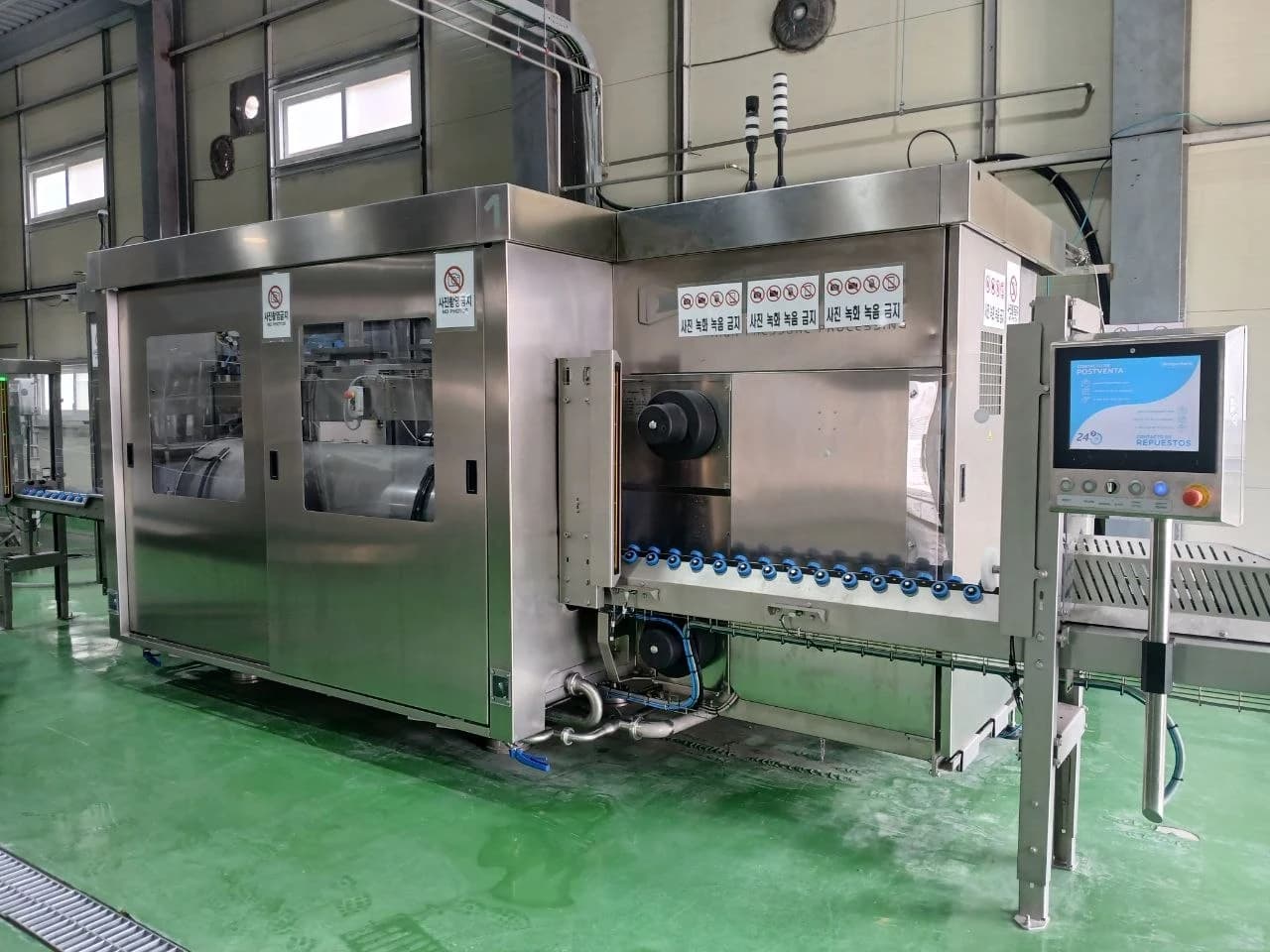
03High pressure · maturation stopped
Pressurized in the pack, stopping the maturation clock
 04
04Chilled shipping
0–10°C cold chain distribution and export
How it differs from heat pasteurization
Heat breaks down texture, aroma and flavor molecules along with unwanted microorganisms. High pressure (HPP) applies pressure alone to the sealed pack, reducing pathogens and halting maturation at its sensory optimum.
CONVENTIONAL · heat pasteurization
Heat controls it, and the taste is lost
The tissue breaks up and the brine clouds. Aroma compounds evaporate, and the finer the raw material, the more value is lost.
Maturation also continues in distribution, so the taste drifts as time passes.
HPP · non-thermal high pressure
Pressure controls it, and the taste is kept
It reduces pathogens by 99.9% while keeping the texture and the clear brine.
Maturation stops, so the taste at shipping holds through the whole distribution period.
What the final step leaves behind
Stopped at the peak of maturation
STOP
In the pressurization window, the enzyme activity and the microbial metabolism that drive maturation are suppressed together. The process is applied at the optimum maturation point set by sensory evaluation, and that state is carried through to the moment the pack is opened.
The same taste for a long time
120 DAYS
Over-maturation, rancidity and amino acid changes are slowed, so the initial sensory quality holds through the 90 to 120 chilled days. Because pasteurization comes after packaging, post-process recontamination risk is minimized, and no preservatives are needed.
Our own plant runs the process
The HPP step is handled in our own processing plant rather than contracted out. Prototypes and volume production run on the same line.
DPC FRESH — 600 MPa high pressure processing
A seafood plant in Suncheon, Jeollanam-do dedicated to HPP high pressure processing. At 600 MPa it handles non-thermal shucking and pasteurization of 19 seafood species — oysters, blood cockles, American lobster and more — and runs a 40 kg batch in 120 seconds inside a hygiene-controlled zone.
600MPa
High pressure
99.9%
Shucking success
120s
40 kg batch
2t
Daily capacity
The difference the process makes
SALT
−40%
Bamboo salt · salt reduction
PATHOGEN
99.9%
Pathogen reduction · HPP
SHELF
90–120 days
Chilled shelf life target
SERVE
50 g
Single-meal portion pack
* Every item in this catalog is at the development concept stage and has not launched yet. The specifications, figures and shelf life shown are development targets and may differ from the final launch specification.